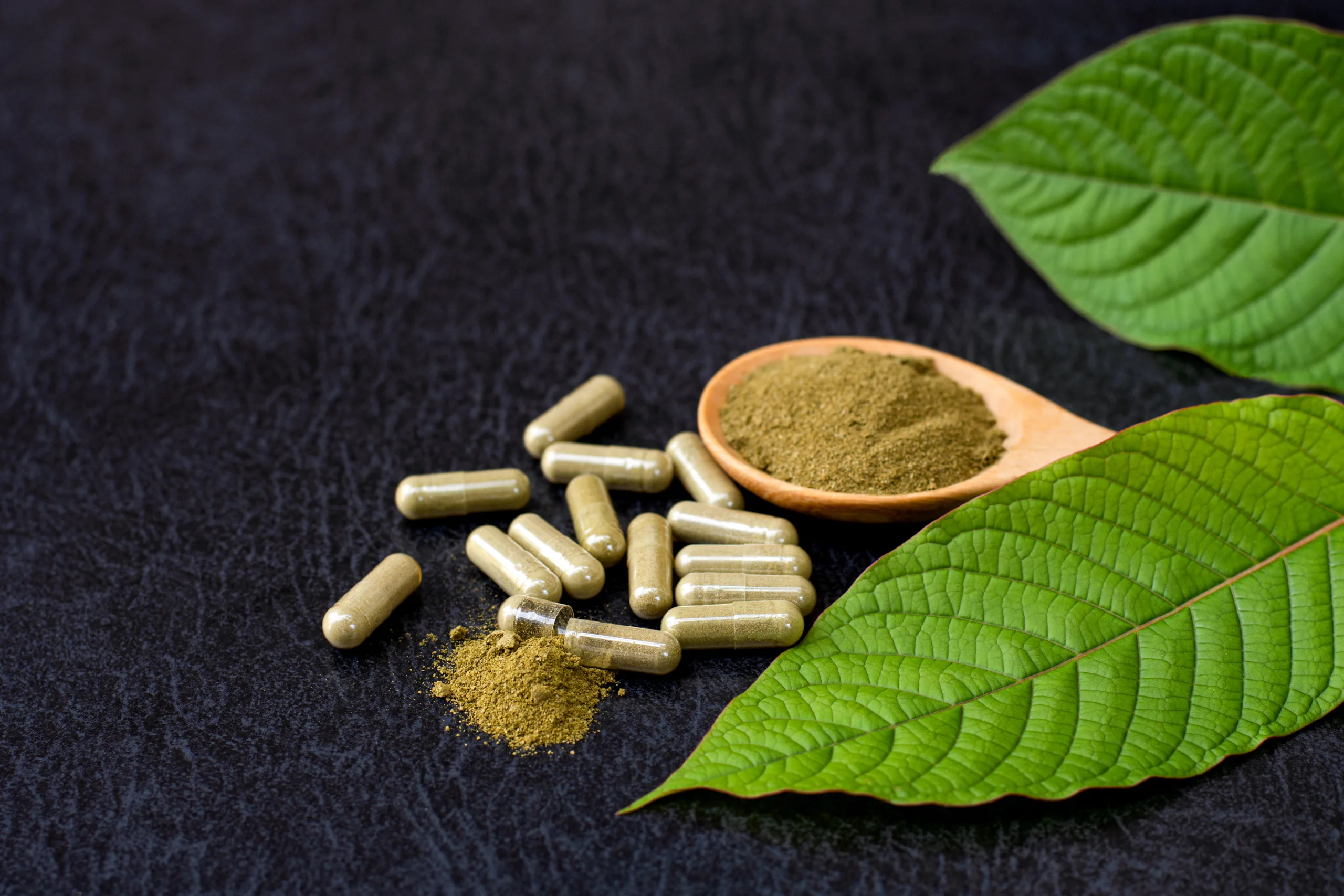
What’s Going On With Kratom in Charlotte Right Now?
Kratom has been around for years, but the conversation around it has changed.
In the past, many people viewed kratom as a legal plant product that lived in a gray area. Some used it for energy. Some used it for pain. Others turned to it when trying to cut back on opioids or avoid withdrawal. Because it is often sold openly in smoke shops, vape stores, convenience stores and online, it can seem less serious than other substances.
But what is happening with kratom right now in Charlotte, Gastonia and surrounding communities is becoming harder to ignore.
The biggest issue is not just kratom itself. It is how the products are changing. Stronger extracts, concentrated shots, flavored gummies, tablets and products labeled as 7-OH are becoming more common. These products may look casual or convenient, but they can be much more potent than many people realize.
For some, what begins as occasional use can slowly turn into something that feels difficult to manage.
Why Kratom Can Feel Misleading
Part of what makes kratom confusing is that it does not always look like what people associate with addiction.
Kratom may be:
- Marketed as natural
- Sold in stores that also carry wellness or nicotine products
- Discussed online like a safer alternative to opioids
- Recommended by people who believe it is harmless
In the Charlotte area, where people may be juggling work stress, chronic pain, mental health struggles or recovery from other substances, that kind of messaging can be very appealing.
Someone may start using kratom thinking it will help them get through the day, manage pain, relax or avoid using something else. At first, it may not seem like a big deal.
But over time, the pattern can change.
A person may need more to achieve the same effect. They may start taking it every day. They may move from powder or capsules to stronger extract products. They may notice they feel anxious, sick, irritable or uncomfortable when they do not have it.
That is often the point where kratom stops feeling casual and starts feeling like dependence.
What Is Changing With Kratom Right Now?
One of the biggest concerns right now is the rise of concentrated kratom products, especially those containing 7-hydroxymitragynine, often shortened to 7-OH.
Many people still picture kratom as a powder mixed into a drink or taken in capsule form. But newer products are often more concentrated and may be sold in ways that feel modern, convenient and easy to underestimate.
That includes:
- Extract shots
- Enhanced tablets
- Gummies
- Drink mixes
- High-potency products marketed as 7-OH
This matters because people may think they are using the same kind of kratom they have seen for years, when in reality they may be using something far stronger.
Why Families in Charlotte and Gastonia Are Starting to Notice
Kratom can fly under the radar for a while.
Because it is often sold legally and openly, families may not immediately recognize that a real problem is developing. What they usually notice first is not the product itself. It is the change in the person using it.
That might look like:
- Mood swings
- Irritability
- Nausea or stomach issues
- Sleep problems
- Low energy without it
- Secrecy around purchases
- Spending more money than expected
- Needing stronger products over time
In some cases, kratom becomes part of a larger pattern of substance use. A person may mix it with alcohol, benzodiazepines, cannabis or other drugs. In other cases, it becomes the main substance they rely on just to feel normal.
Either way, it can start taking up more space in daily life than people expected.
Can You Get Addicted to Kratom?
Yes, you can.
That is one of the most important things people in the Charlotte area need to understand right now.
Kratom can lead to dependence, especially when someone uses it regularly or begins using stronger extract products. Once that happens, stopping is not always simple.
Some people are surprised by how hard it is to quit. They assume that because kratom is sold openly, stopping should be easy. Then they try to cut back and realize their body has gotten used to it.
Withdrawal can look different from person to person, but it may include:
- Anxiety
- Restlessness
- Sweating
- Nausea
- Body aches
- Irritability
- Insomnia
- Cravings
- Depression or low mood
For some people, these symptoms are strong enough to keep them stuck in the cycle.
Why Kratom Use Can Escalate So Quickly
Many people do not start using kratom because they want to lose control.
They may be:
- Trying to manage pain
- Exhausted and want energy
- Overwhelmed and want relief
- Trying to stay away from opioids or another substance
That is what makes kratom misuse easy to minimize at first. The reason behind it may feel understandable.
But understandable does not mean harmless.
As tolerance builds, people may start using more often or searching for stronger products. What started as a powder or capsule may turn into shots or concentrated extracts. The line between “helping me cope” and “something I cannot stop using” can blur faster than expected.
Signs It May Be Time to Take Kratom Use Seriously
A lot of people wait too long to get help because kratom does not fit their image of addiction.
But it may be time to step back and look more closely if you:
- Need kratom just to get through the day
- Feel bad when you do not use it
- Have switched to stronger products like extract shots
- Are taking more than you used to
- Are hiding how much you use
- Are mixing kratom with alcohol or other substances
- Find that your use is affecting your mood, finances, work or relationships
If any of that feels familiar, it is worth paying attention to.
When Detox May Help
Some people can stop kratom on their own. Others struggle more than they expected.
If withdrawal symptoms are intense, if use has escalated or if other substances are involved, professional detox may be the safer and more realistic option. This can be especially important for people using concentrated extracts or using kratom alongside alcohol, benzodiazepines or opioids.
At Freedom Detox & Recovery Center, we know that substance dependence does not always start with something people immediately see as dangerous. Sometimes it starts with something sold over the counter. Sometimes it starts with something that seemed manageable at first.
That does not make the struggle any less real.
For people in Charlotte, Gastonia, and surrounding North Carolina communities, detox can be the first step toward getting physically stable and figuring out what comes next. It can also create space to address the deeper reasons behind the use, whether that involves stress, anxiety, trauma, chronic pain or another substance use disorder.
Why This Matters Right Now in Charlotte
Kratom is not new, but the current wave of stronger products is changing how it affects people.
In Charlotte and nearby communities, that means more people may find themselves dealing with dependence on something they never expected to become a serious issue. Families may not recognize it right away. The person using it may keep telling themselves it is under control. But over time, the physical and emotional grip can become harder to ignore.
This is especially true when concentrated products enter the picture.
The version of kratom many people are using now may not be the mild, simple product they think it is.
The Bottom Line
What is going on with kratom right now is bigger than a wellness trend or a legal gray area.
In Charlotte, Gastonia, and across the greater Charlotte region, stronger products are making kratom harder to dismiss. What starts as something that seems helpful, legal or low-risk can slowly become something a person depends on every day.
If kratom use has started to affect your body, your mood, your routine or your sense of control, it is worth taking seriously.
Get Help for Kratom Misuse in the Charlotte Area
Freedom Detox & Recovery Center provides support for people in Charlotte, Gastonia, and surrounding areas who are struggling with substance use and need a safe place to start. If kratom, extract shots or other high-potency products are becoming harder to manage, you do not have to figure it out alone.
Reaching out for help does not mean you have failed. It means you are paying attention to what is happening and taking the next step toward feeling better.