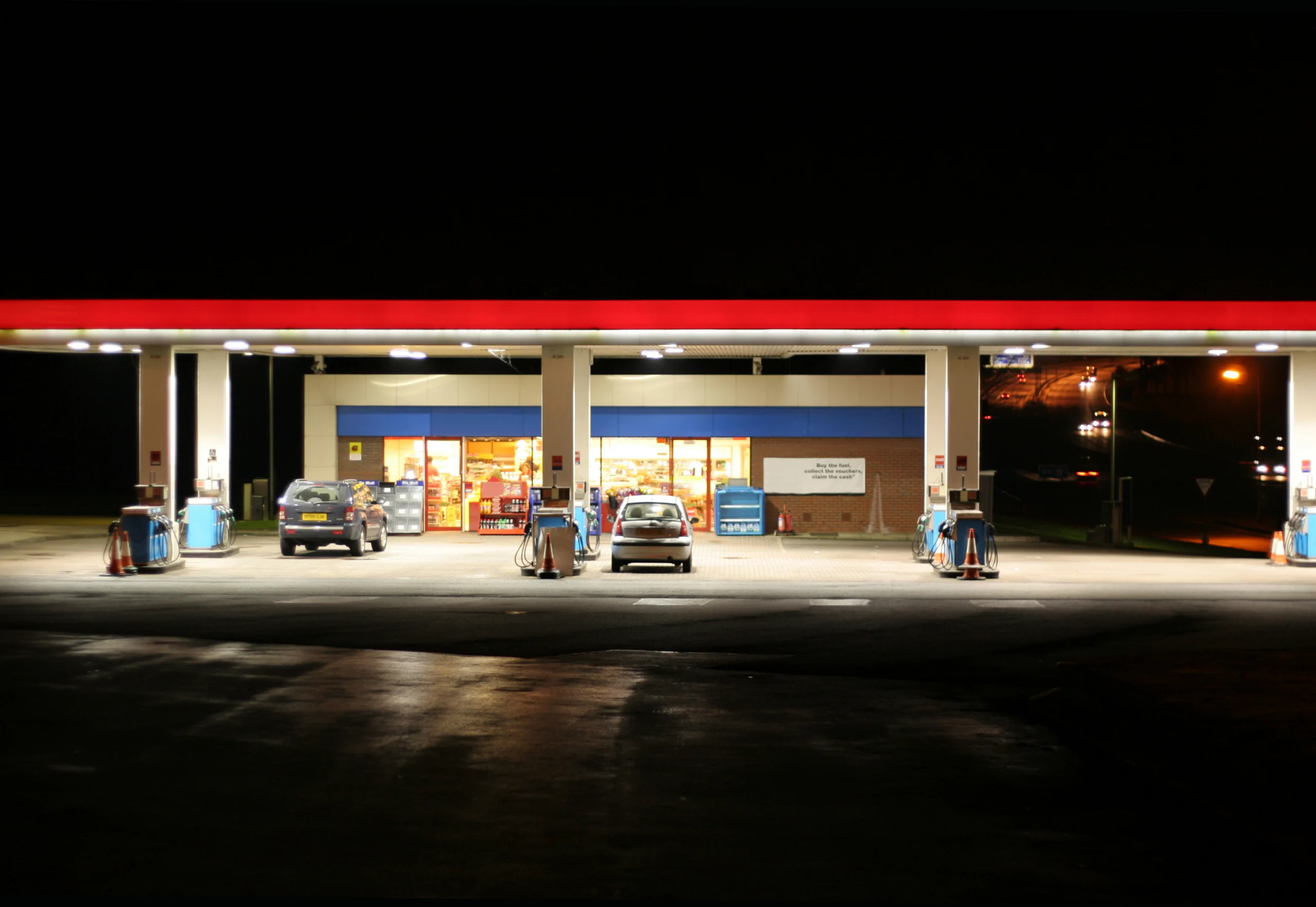
Gas Station Hallucinogens and the Hidden Risk to Mental Health
Products marketed as legal shrooms, mushroom gummies, or mind-altering blends are now widely sold in gas stations and smoke shops. These products are often advertised as natural, legal alternatives to psychedelics and are displayed alongside everyday items, making them appear low risk.
That visibility can create a false sense of safety.
What is often overlooked is how these unregulated substances can destabilize the brain, especially in younger users, leading to anxiety, dissociation, mood changes, and other lasting mental health effects.
These Products Are Not Regulated or Therapeutic
Gas station hallucinogens are not part of any regulated medical or therapeutic system.
Unlike substances used in clinical research, these products are sold without mental health screening, standardized dosing, or medical oversight. Many contain amanita muscaria extracts, synthetic psychoactive compounds, or proprietary blends that are not clearly disclosed.
Labels frequently rely on vague or misleading language, leaving consumers unaware of how the product actually affects the brain.
How Old Do You Have to Be to Buy These Products?
Age restrictions for gas station hallucinogens and similar synthetic products are inconsistent and often poorly enforced.
In many locations:
- Products are labeled as 18+ or 21+, depending on the state or retailer
- Some stores do not verify age consistently
- Online purchases may bypass age checks entirely
- Certain products are sold without any clear age restriction
Because these substances exist in regulatory gray areas, enforcement varies widely. This makes it easier for adolescents to access products that were never tested for safety in developing brains.
Why Adolescents Are Especially Vulnerable
The adolescent brain is still developing, particularly in areas responsible for judgment, impulse control, emotional regulation, and reality testing.
When psychoactive substances interfere with these systems, the effects can be stronger and more unpredictable.
Risks for adolescents include:
- Increased anxiety and panic responses
- Greater susceptibility to dissociation
- Heightened emotional volatility
- Difficulty concentrating or regulating mood
- Increased risk of long-term mental health disruption
Because many of these products are marketed as mild or natural, teens may underestimate their impact and use them repeatedly or in higher doses.
A Growing Trend of Adolescent Use
Treatment providers and emergency departments are seeing a rise in adolescents presenting with symptoms linked to synthetic and gas station drugs.
Common patterns include:
- Teens experimenting due to easy access and legality
- Use driven by curiosity or peer influence
- Self-medicating anxiety, stress, or emotional pain
- Belief that these products are safer than illicit drugs
Because the effects are unpredictable, adolescents may experience severe reactions after only one or two uses.
Unpredictability and Delayed Reactions
One of the most concerning aspects of gas station hallucinogens is delayed onset of symptoms.
Some individuals feel effects hours or days later, including:
- Persistent anxiety
- Sleep disruption
- Mood swings
- Difficulty feeling grounded or calm
- Heightened sensitivity to stress
These delayed reactions can be confusing and frightening, especially for younger users who may not connect symptoms to the product they used.
Dissociation and Reality Disruption
Many users report dissociation after using these substances. Dissociation can involve feeling detached from one’s body, surroundings, or emotions.
While dissociation is not the same as psychosis, it can still significantly interfere with daily life and increase distress. In some cases, dissociation persists and becomes difficult to manage without support.
Psychosis as a Possible Outcome
Psychosis remains a documented risk, particularly with repeated use, high doses, or mixing substances.
Psychotic symptoms may include paranoia, hallucinations, or disorganized thinking and can occur even in individuals with no prior mental health diagnosis. Adolescents with underlying vulnerabilities may be at higher risk.
Why “Natural” and “Legal” Can Be Misleading
Terms like natural, herbal, or legal often suggest safety, but they do not guarantee it.
Legal status often reflects gaps in regulation rather than evidence of safety. Natural substances can still significantly alter brain chemistry, especially when concentrated or synthetically modified.
Without clear oversight, users are left guessing how their brain will respond.
When Professional Support Matters
When mental health symptoms become intense, persistent, or confusing, professional care is important.
Medical detox and stabilization can help by:
- Monitoring mental and physical symptoms
- Reducing distress and agitation
- Supporting brain stabilization
- Identifying whether symptoms are substance-related or part of a broader mental health condition
Early intervention can reduce the risk of longer-term effects.
The Bigger Issue Behind These Products
Gas station hallucinogens and synthetic drugs highlight a growing problem. Psychoactive substances are being marketed as casual consumer products without safeguards, education, or accountability.
This creates real risks, especially for adolescents and young adults whose brains are still developing.
Understanding these risks and knowing when to seek help can protect both immediate safety and long-term mental health.