How the Program Supports Recovery
How Equine-Assisted Therapy Helps with Substance Abuse Recovery
Equine-assisted therapy is highly effective for individuals struggling with addiction because it promotes emotional healing and personal reflection in a non-judgmental space. Here’s how equine therapy can benefit those in recovery:
Building Emotional Awareness
Interacting with horses requires individuals to remain calm, patient and present. Horses are highly intuitive animals and mirror human emotions, making it easier for clients to recognize and process their feelings. For those in recovery, this emotional awareness can help address triggers, unhealthy coping mechanisms and patterns of avoidance.
Developing Trust and Communication
Addiction often damages trust and relationships. In equine-assisted therapy, clients must build trust with the horse through non-verbal communication and mutual respect. Learning to connect with an animal in this way can serve as a foundation for rebuilding trust in human relationships and improving interpersonal communication.
Reducing Stress and Anxiety
Spending time with horses and in nature has been proven to reduce stress, anxiety and feelings of isolation—all common challenges during the detox and recovery process. The calming presence of horses helps individuals feel grounded, centered and more in control of their emotions.
Enhancing Accountability and Responsibility
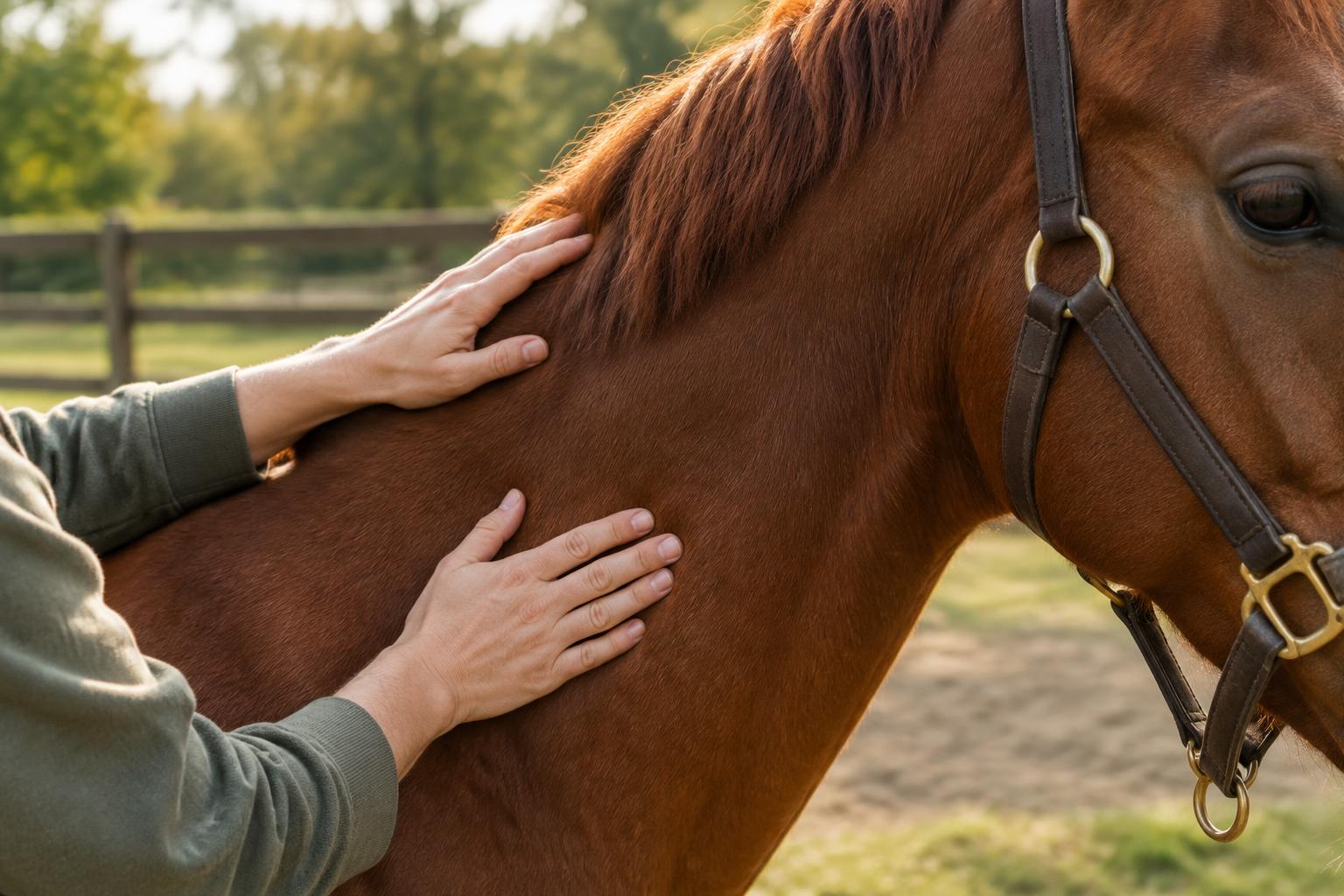
Caring for a horse—feeding, grooming and leading it—teaches responsibility and accountability. These qualities are essential for individuals in recovery, as they reinforce structure, discipline and consistency, which are key to maintaining sobriety.
Promoting Personal Growth
Overcoming challenges while working with a horse can build confidence, self-esteem and resilience. Clients often gain a sense of accomplishment, which empowers them to face the challenges of recovery with a more positive mindset.