

Freedom Detox & Recovery Center Blog
Can You Fully Recover From Addiction?
Can you fully recover from addiction?

Many people entering treatment ask the same question: Can you fully recover from addiction? It is an understandable concern. After months or years of struggling with drugs or alcohol, individuals and families want reassurance that healing is possible.
The answer is encouraging. While addiction is considered a chronic disease, many people achieve long-term recovery and go on to live healthy, meaningful and fulfilling lives. Recovery is not about becoming a completely different person. It is about learning how to manage the disease, rebuild your life and maintain sobriety over time.
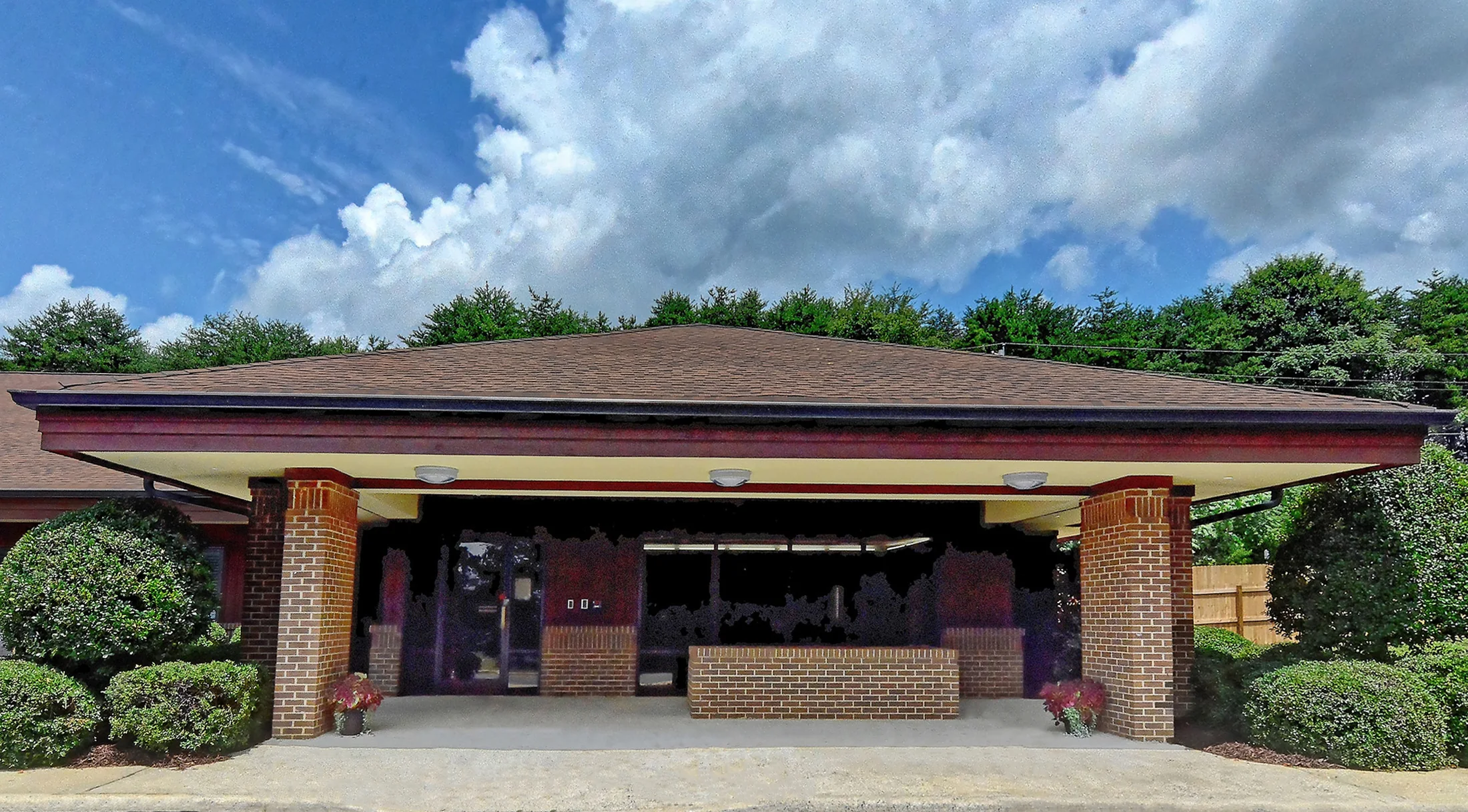
At Freedom Detox & Recovery Center in Gastonia, North Carolina, individuals receive medically supervised detox and compassionate support designed to help them take the first step toward lasting recovery.
Is Addiction Ever Truly Cured?
Unlike a broken bone or an infection, addiction does not simply disappear after treatment. Medical experts recognize substance use disorder as a chronic condition that affects the brain and behavior. Similar to diabetes or high blood pressure, it requires ongoing management.
This does not mean someone is destined to struggle forever. Many people remain sober for years and even decades. They build careers, restore relationships and enjoy lives free from active substance use.
Recovery is possible, but it requires commitment and continued support.
What Does Full Recovery Mean?
When people ask whether they can fully recover from addiction, they are often asking whether they can return to a normal life. The answer is yes.
Full recovery often includes:
- Maintaining long-term sobriety
- Managing cravings and triggers effectively
- Improving physical and mental health
- Repairing relationships with loved ones
- Developing healthy coping skills
- Achieving personal and professional goals
- Finding purpose and fulfillment
Recovery does not mean never facing challenges. It means having the tools and support necessary to navigate those challenges without returning to substance use.
Why Detox Is Only the Beginning
One common misconception is that completing detox alone cures addiction.
Detox is an essential first step because it helps the body safely eliminate drugs or alcohol while managing withdrawal symptoms. However, addiction involves much more than physical dependence.
Long-term recovery often requires additional treatment that addresses:
- Emotional health
- Mental health conditions
- Trauma
- Stress management
- Relationship issues
- Relapse prevention strategies
By continuing treatment after detox, individuals can build a stronger foundation for sustained recovery.
Can the Brain Heal After Addiction?
Yes. Research shows that the brain can recover significantly after prolonged abstinence. While healing takes time, many people experience improvements in:
- Memory
- Concentration
- Decision making
- Emotional regulation
- Sleep patterns
- Mood and overall well-being
Healthy habits such as exercise, proper nutrition, counseling and quality sleep all support this healing process.
The timeline varies from person to person, but positive changes can continue for months and even years after someone stops using substances.
What Helps People Stay in Recovery?
Recovery is not something that happens alone. Strong support systems play a major role in long-term success.
Therapy
Individual counseling helps people understand the underlying causes of addiction and develop healthier coping skills.
Support Groups
Programs such as Alcoholics Anonymous and Narcotics Anonymous provide accountability, encouragement and connection with others who understand the recovery journey.
Family Support
Healthy relationships and family involvement can strengthen recovery and help rebuild trust.
Continued Treatment
Outpatient programs, residential treatment and aftercare services provide ongoing guidance during recovery.
Healthy Lifestyle Changes
Regular exercise, balanced nutrition, stress management and meaningful hobbies all contribute to long-term wellness.
What About Relapse?
Experiencing a relapse does not mean treatment failed or that recovery is impossible.
Relapse can occur with many chronic illnesses, including addiction. Instead of viewing it as failure, it should be seen as a sign that additional support or adjustments to treatment may be needed.
Many people who enjoy lasting sobriety have experienced setbacks along the way. What matters most is seeking help quickly and recommitting to recovery.
There Is Hope for Lasting Recovery
If you are wondering whether you can fully recover from addiction, know that countless people have proven that long term healing is possible. Recovery may not always be easy, but it is achievable.
With professional care, a strong support system and a commitment to ongoing growth, individuals can regain their health, rebuild relationships and create fulfilling lives free from active addiction.
Freedom Detox & Recovery Center in Gastonia, North Carolina, provides medically supervised detox services in a safe and supportive environment. Beginning treatment can be the first step toward lasting recovery and a healthier future.
Seeking help today can open the door to a life that is no longer controlled by drugs or alcohol. Recovery is real, and hope is always possible.

It's time.
Contact us today to regain your freedom and start your life of sobriety.