What Does MDMA Do to Your Brain? The Truth Behind the High
MDMA, often known by street names like Molly or Ecstasy, is a powerful synthetic drug that alters mood and perception. While it’s commonly used in party and rave scenes for the euphoric high it produces, many people don’t realize the serious and lasting effects it can have on the brain.
At Freedom Detox & Recovery Center, we believe understanding what a drug does to your brain is key to recognizing its dangers—and finding the motivation to seek help. Here’s what MDMA actually does inside your head and why repeated use can lead to lasting damage.
How MDMA Works in the Brain
MDMA primarily affects three key neurotransmitters:
- Serotonin
- Dopamine
- Norepinephrine
When you take MDMA, it floods your brain with serotonin, the chemical that regulates mood, sleep, pain and appetite. This sudden surge creates feelings of:
- Emotional closeness
- Empathy
- Euphoria
- Heightened sensory perception
At the same time, dopamine and norepinephrine increases can cause a rush of energy, pleasure and alertness. This combination makes MDMA extremely appealing—but it also overwhelms your brain’s natural balance.
The Short-Term Effects on the Brain
The initial “high” may feel good, but it comes at a cost. During use, MDMA:
- Overstimulates the brain’s reward system
- Releases large amounts of serotonin all at once
- Disrupts normal communication between brain cells
This leads to temporary changes in emotion and behavior, including:
- Reduced fear or anxiety
- Impulsive decisions
- Difficulty with memory and attention
- Increased risk-taking
As the drug wears off, your brain struggles to re-balance itself—resulting in what many users call a “crash”.
The MDMA Crash: Serotonin Depletion
After the serotonin high fades, your brain is left depleted and chemically imbalanced. This can lead to:
- Depression
- Fatigue
- Anxiety
- Irritability
- Difficulty concentrating
These after-effects can last for several days—and in some users, especially those who use MDMA repeatedly, symptoms can linger even longer.
Long-Term Effects of MDMA on the Brain
Over time, MDMA can cause lasting damage to the brain’s ability to regulate mood, memory and behavior. Long-term risks include:
- Serotonin system damage: Repeated use may damage serotonin-producing neurons, reducing your brain’s natural ability to feel happy or calm.
- Cognitive decline: Chronic MDMA use has been linked to problems with memory, learning and decision-making.
- Mood disorders: Users may develop chronic anxiety, depression or symptoms of PTSD.
- Sleep disturbances: Long-term use can throw off your natural sleep cycles, making it difficult to rest and recover.
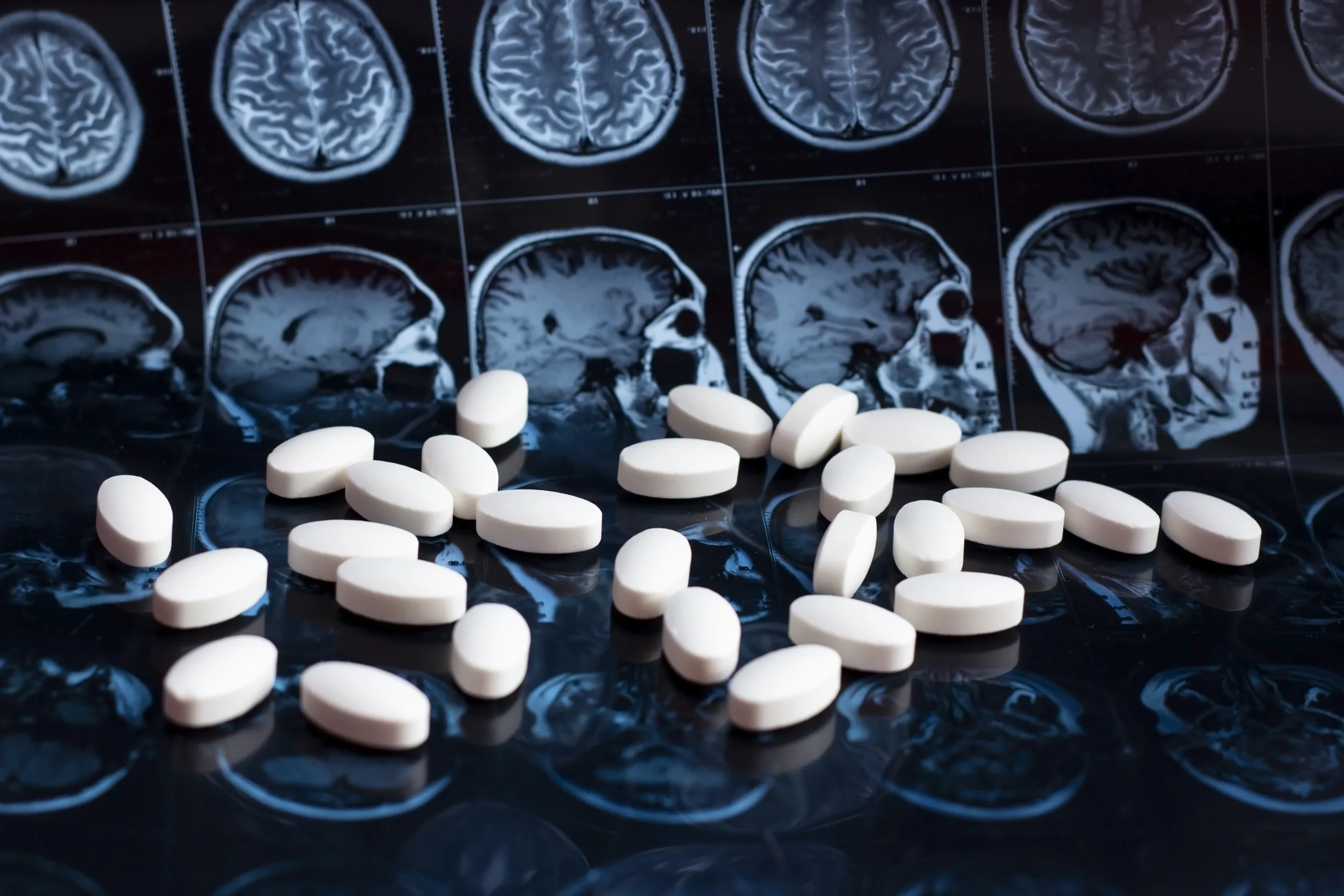
Brain scans of long-term MDMA users show changes in brain structure and function—especially in areas responsible for emotional regulation and memory.
Is the Damage Reversible?
Some brain changes may be reversible with prolonged abstinence, a healthy lifestyle and mental health support. However, heavy or long-term MDMA use can leave lasting effects that may require ongoing treatment.
The sooner you stop using MDMA, the better your chances of restoring brain health and emotional stability.
Getting Help at Freedom Detox & Recovery Center
If you or someone you love is struggling with MDMA use, Freedom Detox & Recovery Center offers a safe and supportive environment for detox and recovery. Withdrawal from MDMA can be mentally and emotionally challenging, but our expert team provides:
- 24/7 medical monitoring
- Emotional support
- A calm, healing space to recover
- Personalized treatment plans for long-term success
Our goal is to help you restore balance to your brain and body, and guide you toward a healthier, substance-free future.
Your Brain Deserves Better
MDMA may offer a temporary high, but the impact on your brain is real—and potentially long-lasting. If you’ve noticed changes in your mood, memory or mental health after using MDMA, it’s time to take action.
Contact Freedom Detox & Recovery Center today to learn how we can help you heal your brain, rebuild your life, and reclaim your peace of mind.